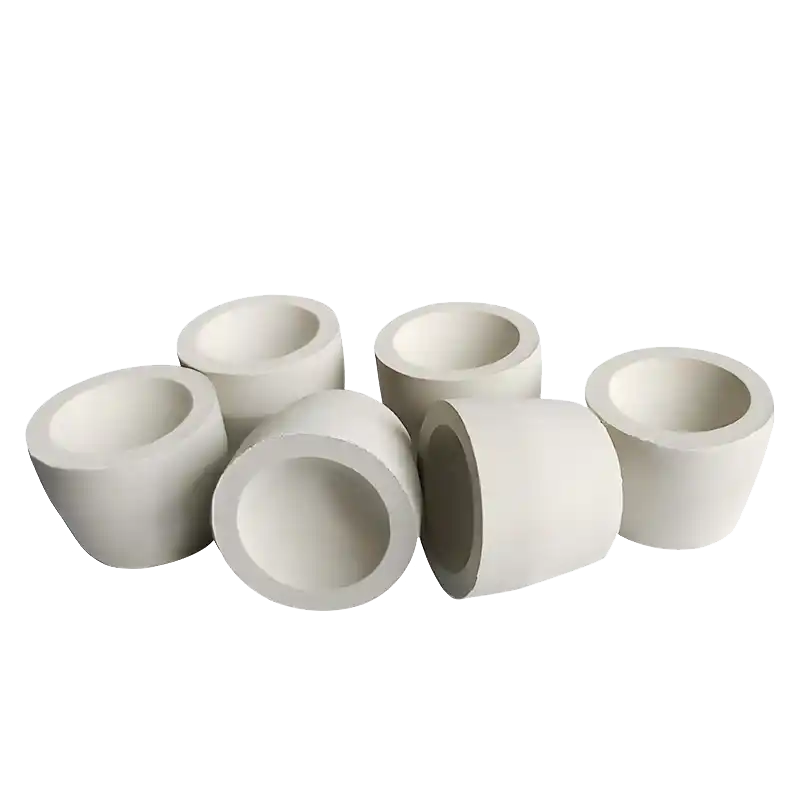
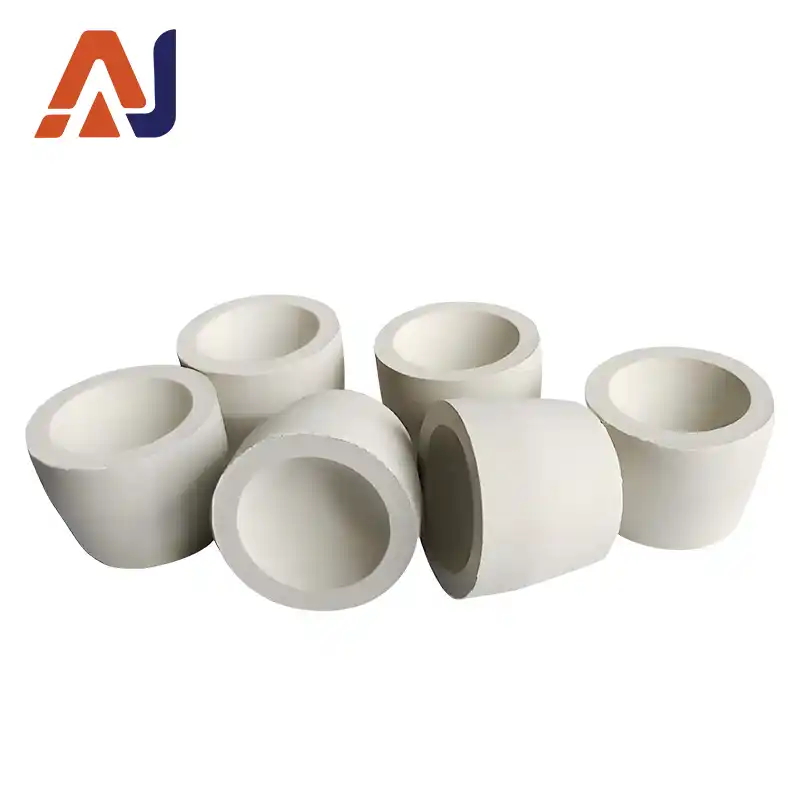
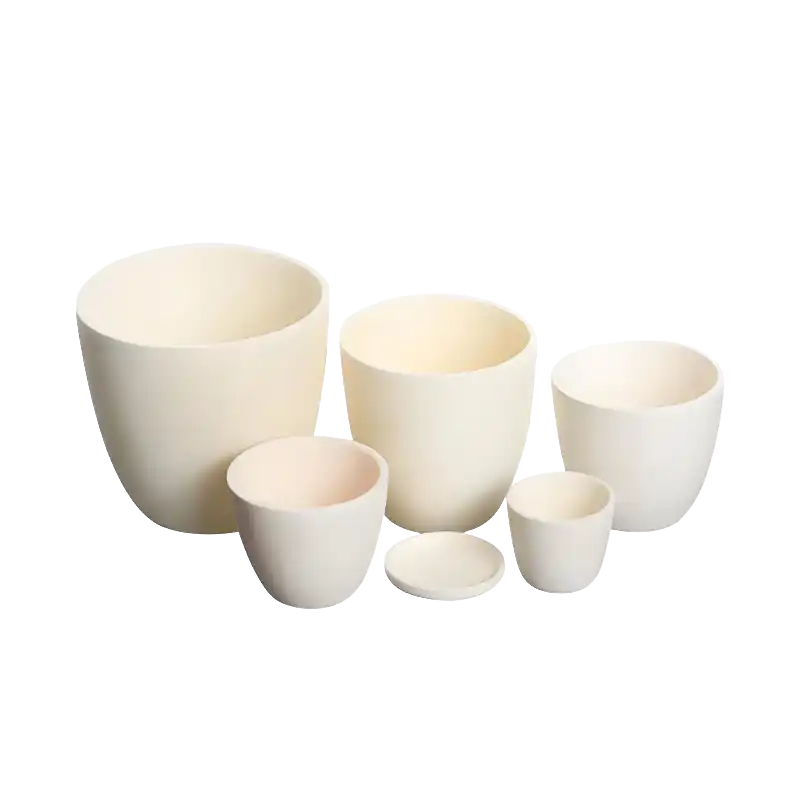
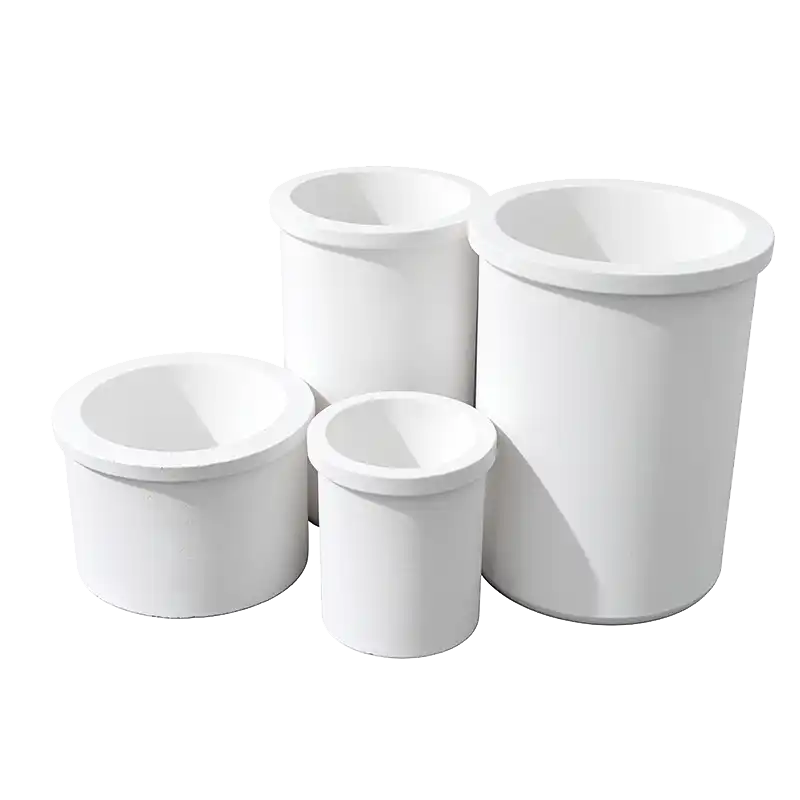
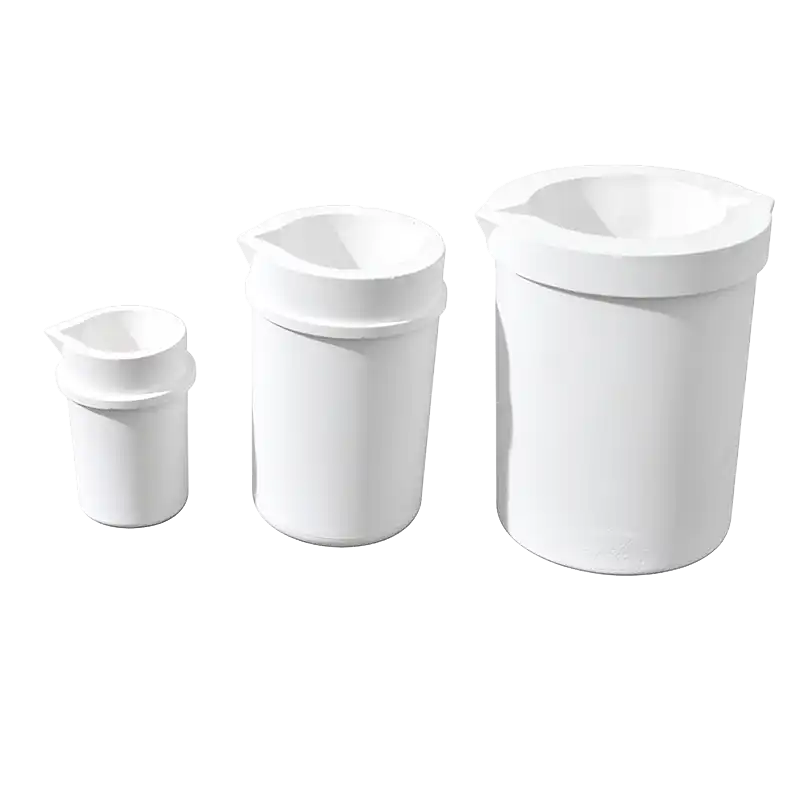
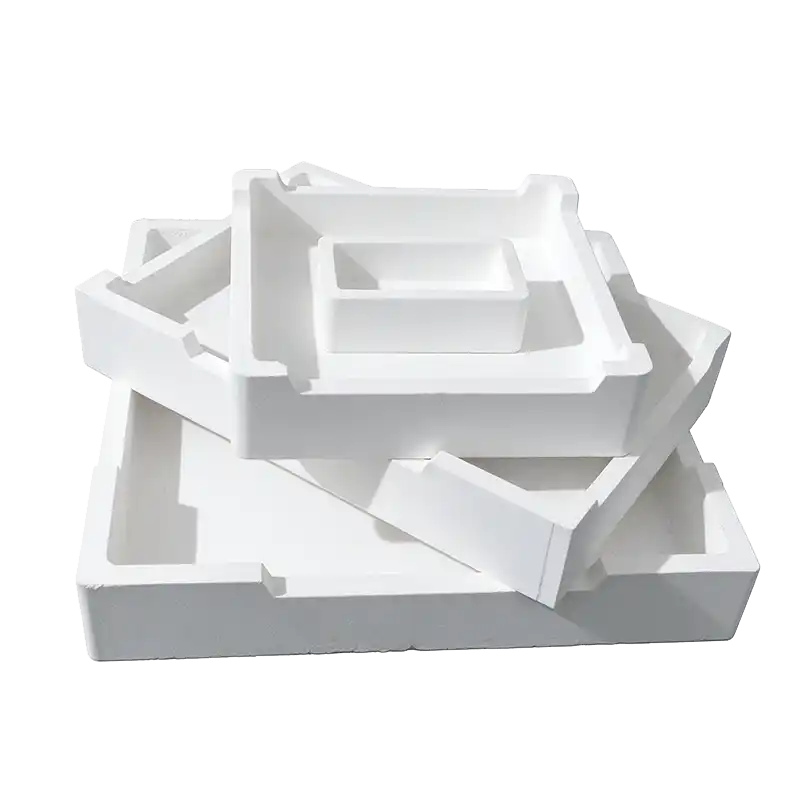
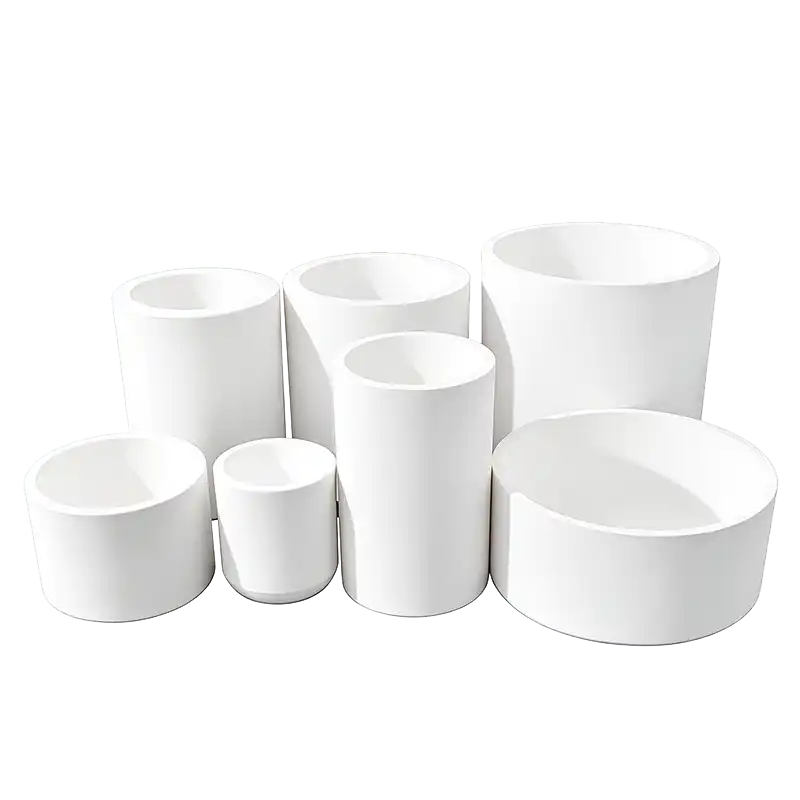
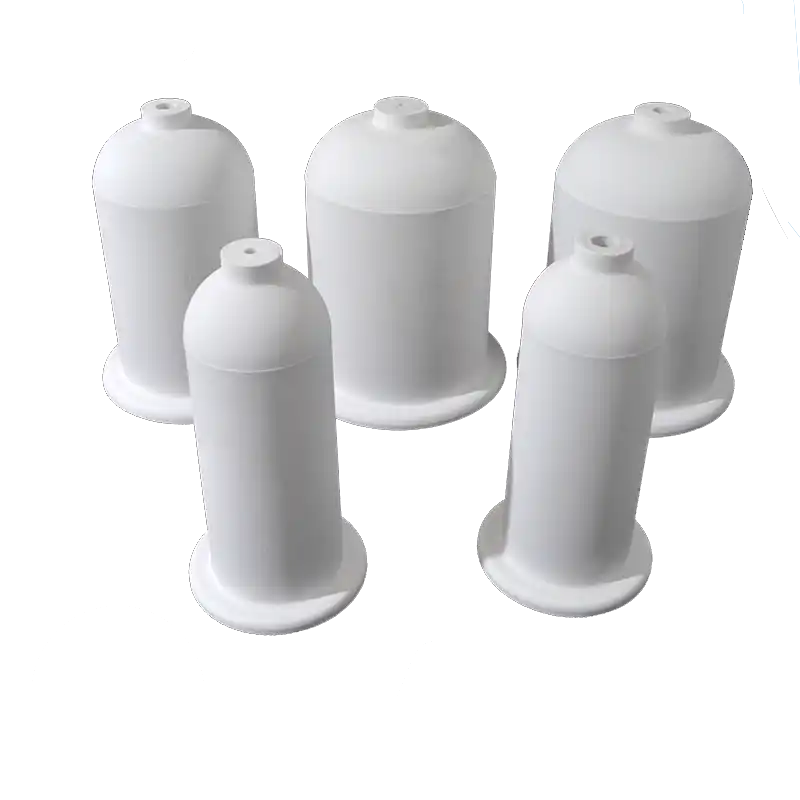
A cupel is an important refractory product used in the fire assay process for gold-silver separation and absorption of lead liquid. Its main function is to absorb molten lead and its oxides (PbO) under high-temperature oxidizing conditions, thereby enriching precious metals such as gold and silver on the cupel surface for subsequent weighing or fineness analysis. Cupels are usually used together with fire assay clay crucibles and are indispensable core consumables in precious metal analysis experiments.
1. Material Composition
Cupels are usually made by pressing and sintering the following materials:
- **Bone ash or magnesia material (MgO)** as the main component;
- A highly absorbent porous structure;
- Good refractoriness and oxidizing properties.
Bone ash cupels have excellent absorption performance; magnesia cupels have a more stable structure and higher mechanical strength, making them suitable for mass-produced analytical work.
2. Operating Temperature Range
- Recommended operating temperature: 900°C–1050°C
- Typical process temperature: around 950°C (varies slightly depending on lead content and furnace type)
Cupels can withstand long-term operation under high-temperature oxidizing conditions without softening or collapsing.
3. Key Functions and Performance Characteristics
- High absorbency: can rapidly absorb large amounts of PbO, leaving precious metals on the cupel surface to form gold-silver prills;
- Good refractoriness: structure remains stable at high temperatures;
- Excellent oxygen affinity: promotes the oxidation reaction of lead and improves separation efficiency;
- Uniform pore structure: ensures consistent absorption rate and prevents the cupel from cracking due to excessively rapid absorption;
- High chemical purity: ensures extremely low background interference from precious metals in fire assay analysis.
4. Typical Application Scenarios
Cupels are key consumables in the "cupellation" step of the fire assay analysis process and are commonly used in:
- Determination of gold, silver, and platinum group precious metal content
- Mining and metallurgical industry laboratories
- Alloy material composition analysis
- High-temperature oxidative absorption experiments in research institutes
5. Instructions for Use and Precautions
- Cupels should be dried or preheated at low temperature before use to avoid cracking caused by moisture;
- After loading lead-containing prills, the temperature should be raised slowly to the cupellation temperature according to the process curve;
- After the cupel absorbs lead, an obvious "white center" or "halo" will appear, which is normal;
- After absorption is complete, the gold-silver prill will remain in the center of the cupel and can be used for subsequent evaluation;
- Cupels cannot be reused and should be replaced according to experimental procedures.
Fire assay clay crucibles are a type of high-temperature refractory ceramic container specifically used in the fire assay process, mainly for the separation, collection, and determination of precious metals (such as gold, silver, and platinum group metals) during high-temperature melting, oxidation, reduction, and other processes. This type of crucible has excellent refractoriness, thermal shock resistance, and chemical stability and can maintain structural integrity under multiple thermal cycles.
1. Material Composition
Fire assay clay crucibles are usually made from the following material proportions:
- High-alumina clay or refractory clay matrix;
- Appropriate amounts of quartz, feldspar, and other minerals as fluxing and reinforcing components;
- A dense ceramic structure formed through high-temperature sintering.
This formulation ensures that the crucible still has good chemical stability under the action of high temperature and strongly oxidizing fluxes (such as borax, soda ash, lead oxides, etc.).
2. Operating Temperature Range
- Recommended operating temperature: 1150°C–1300°C
- Maximum temperature limit: up to 1350°C (depending on formulation and sintering density)
In gold and silver fire assay processes, crucibles are usually used long-term at around 1200°C and can withstand thermal shock caused by rapid heating and cooling.
3. Main Performance Characteristics
- Stable high-temperature performance: can maintain shape and mechanical strength under conditions close to the melting point;
- Strong thermal shock resistance: adapts to frequent charging—heating—discharging cycles;
- Resistance to chemical attack: good tolerance to fluxes commonly used in fire assay such as borates, carbonates, and lead oxide;
- Low expansion coefficient: reduces high-temperature deformation or cracking;
- Moderate porosity: facilitates flux penetration and reaction while maintaining crucible strength.
4. Typical Application Scenarios
Fire assay clay crucibles are mainly used in:
- Precious metal determination: quantitative analysis of gold, silver, and platinum group elements;
- Ore sample fire assay processes: including oxidation smelting, absorption, separation, and other steps;
- Metallurgical industry laboratories: inspection of gold ore, silver ore, and alloy materials;
- Scientific research experiments: high-temperature reactions such as small-scale and pilot-scale fire smelting.
5. Instructions for Use and Precautions
- · Crucibles can be preheated at low temperature before use to reduce thermal shock;
- · Avoid instantaneous rapid heating of the furnace to full power; the high-temperature stage should be heated slowly to protect crucible life;
- · After use, allow natural cooling to avoid cracking caused by rapid cooling;
- · When in long-term contact with strongly corrosive fluxes, regularly check the crucible wall thickness and integrity.